Destinations

Ancient kingdoms, wild coasts, misty highlands, and everything between.

Sri Lanka rewards slow exploration above all else – each region carries its own personality, cuisine, and way of making time feel different. From the sacred cities of the northern plains to the sea turtle rookeries of the south, the island is layered, luminous, and endlessly surprising.

Anuradhapura

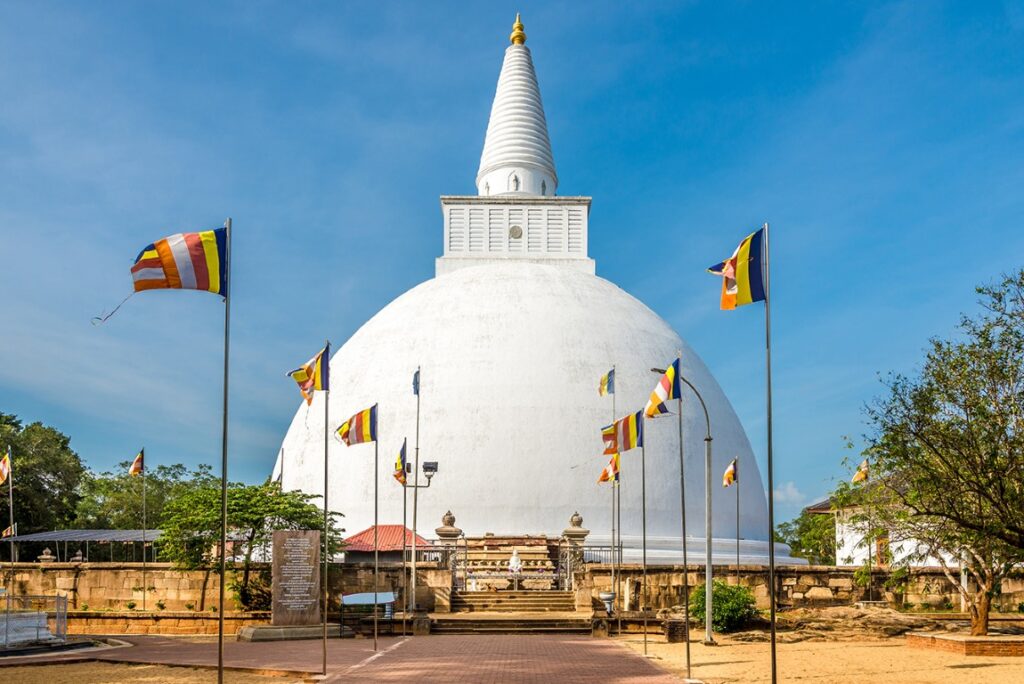
Sri Lanka’s oldest kingdom is home to a sacred Bodhi tree grown from the original tree under which the Buddha attained enlightenment – still alive and worshipped after 2,200 years. White dagobas the size of cathedrals rise from the surrounding jungle, most active at dawn when pilgrims arrive with lamps and flowers.

Polonnaruwa

A medieval capital you can cycle through – its compact ruins and irrigation tanks built by 12th-century hydraulic engineers are some of Asia’s most rewarding. The Gal Vihara rock-cut Buddhas, carved with precision from a single granite face, are among the most quietly powerful sights on the island.

Kandy

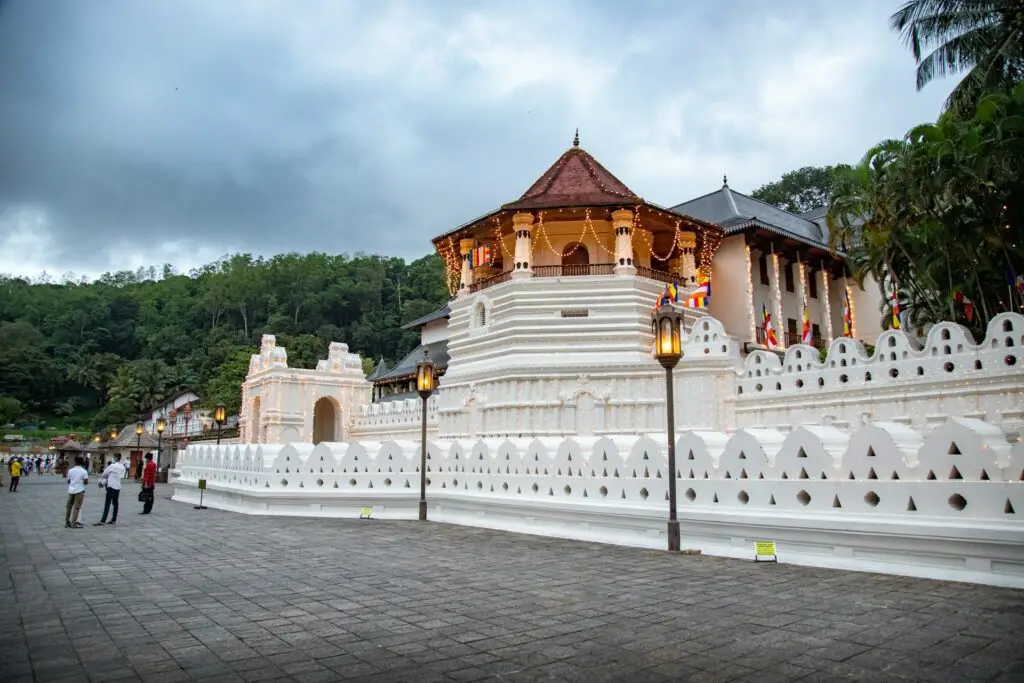
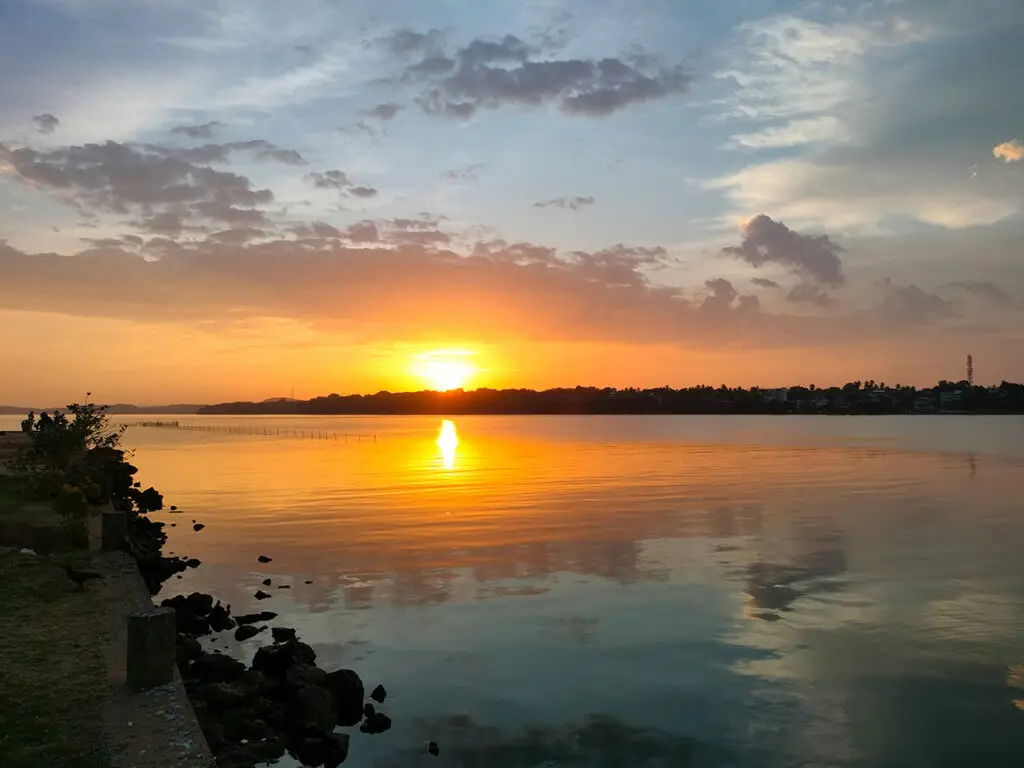
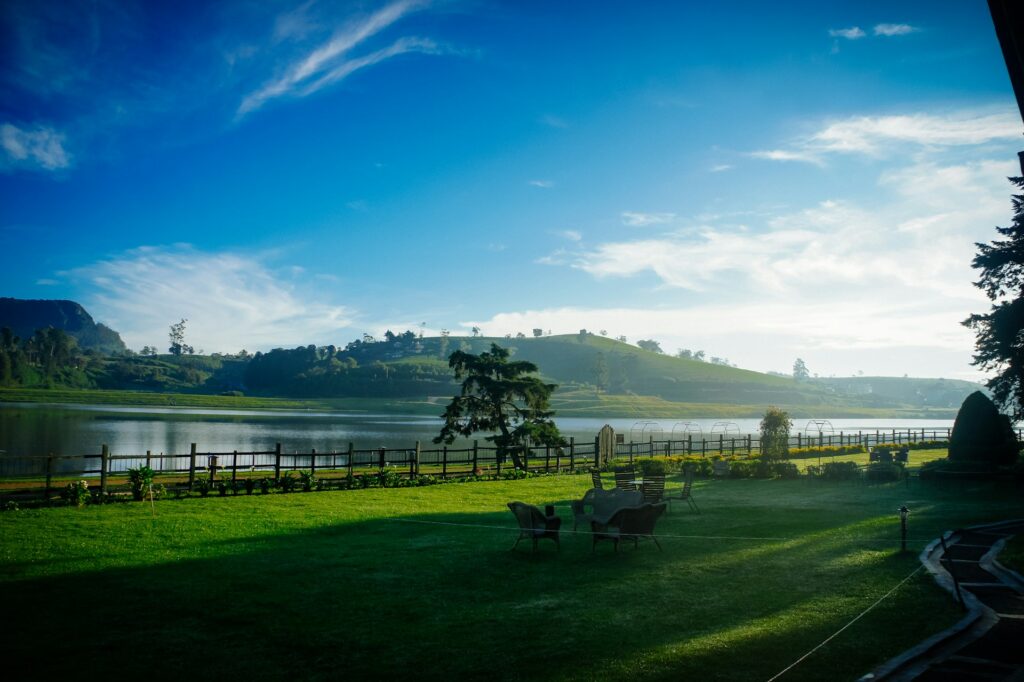
Sri Lanka’s last royal capital sits in a natural bowl of forested ridges around a perfectly still lake, with the Temple of the Sacred Tooth Relic as its living, drumming, incense-filled heart. Kandyan dance, traditional craft, and a highland cool make it a city that takes more than one day to absorb.

Sigiriya / Dambulla

Sigiriya is a 200-metre volcanic monolith where a 5th-century king built a full palace complex with frescoed galleries and gravity-fed water gardens that still puzzle engineers. Twenty kilometres away, Dambulla’s five sacred caves contain 150 Buddha statues and 2,000 square metres of ancient ceiling paintings.

Jaffna

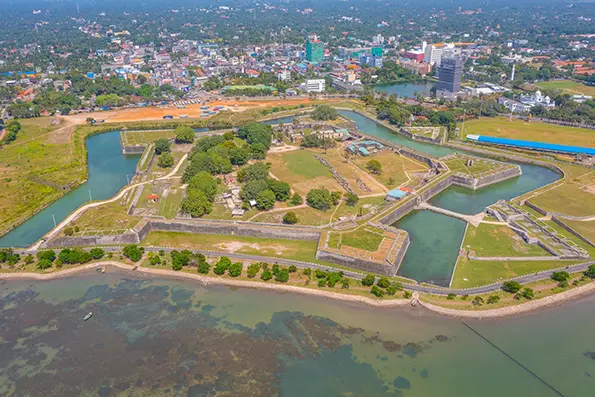
Sri Lanka’s northern capital is dry, flat, and deeply Tamil in its culture, cuisine, and temple architecture – entirely unlike the rest of the island. The Nallur Kovil’s golden towers, lagoon ferries, and extraordinary northern seafood make it one of the island’s most singular and undervisited corners.

Negombo

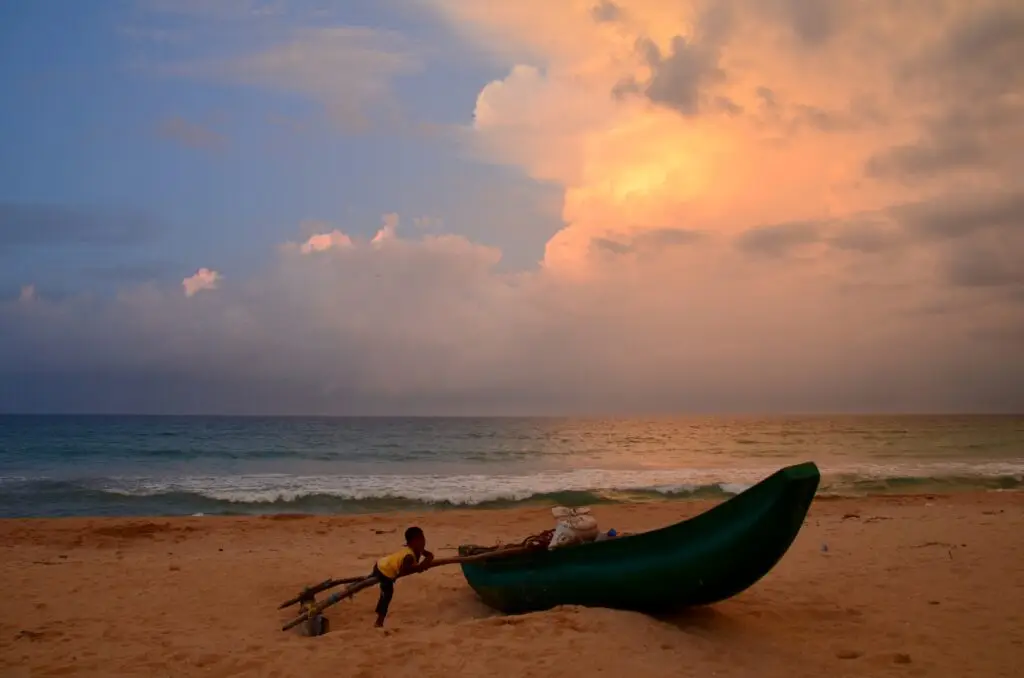
A Catholic fishing town 8km from the airport with Dutch canal networks, a morning fish market, and a broad beach lined with seafood shacks serving the day’s catch directly from boats. The lagoon behind the town is one of Sri Lanka’s best mangrove kayaking destinations.

Bentota

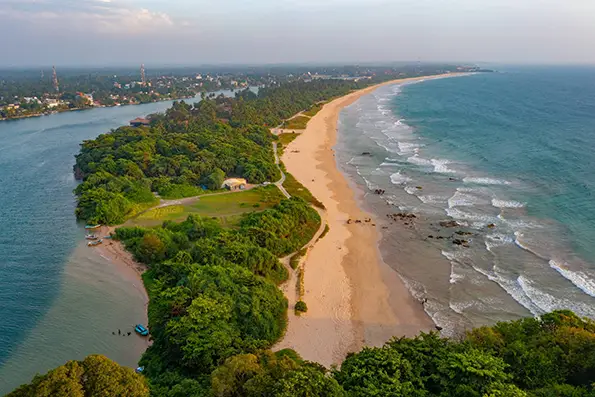
Bentota’s beach divides the Indian Ocean from a languid river lagoon – making it rare coastal territory where surfing, waterskiing, and a tranquil boat safari are all available in the same afternoon. Home to Geoffrey Bawa-designed hotels that defined tropical luxury architecture.

Hikkaduwa

A surf and dive town with a coral reef park, consistent breaks, and resident sea turtles so accustomed to swimmers that encounters on every snorkel are near-guaranteed. Sri Lanka’s liveliest beach strip with a café scene that runs late.

Unawatuna

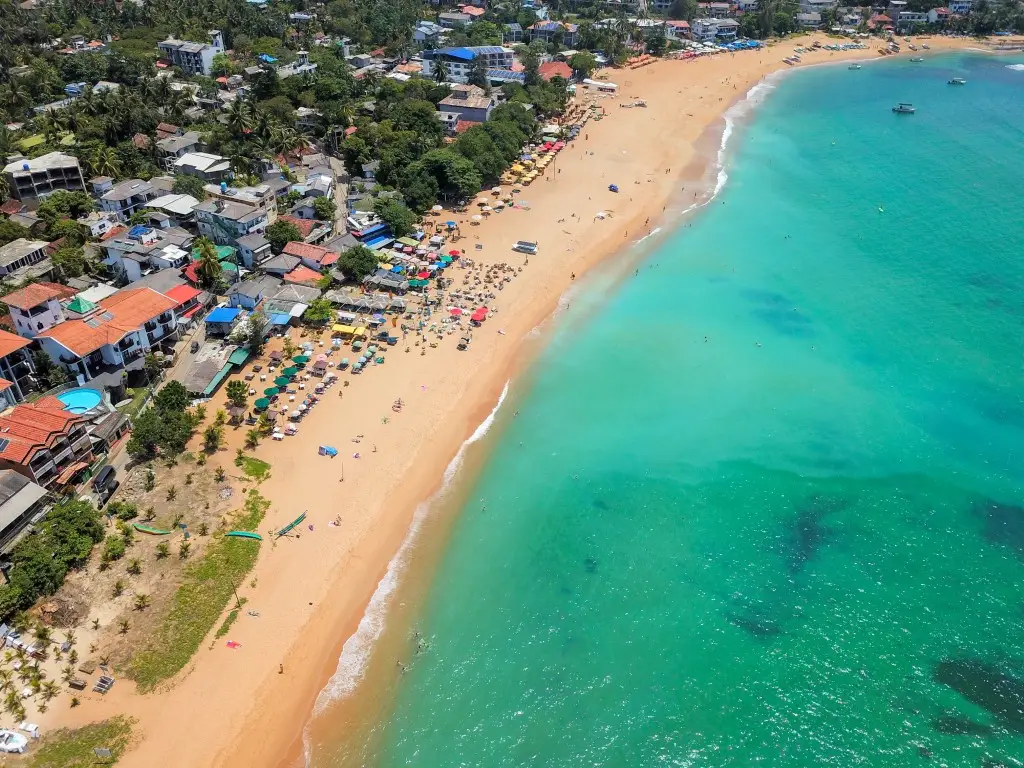
A crescent of sheltered golden sand backed by a jungle headland – its bay keeps the water gentle year-round, making it one of the south coast’s calmest and most reliably swimmable beaches. Surrounded by yoga studios, rooftop restaurants, and easy-living guesthouses.

Galle

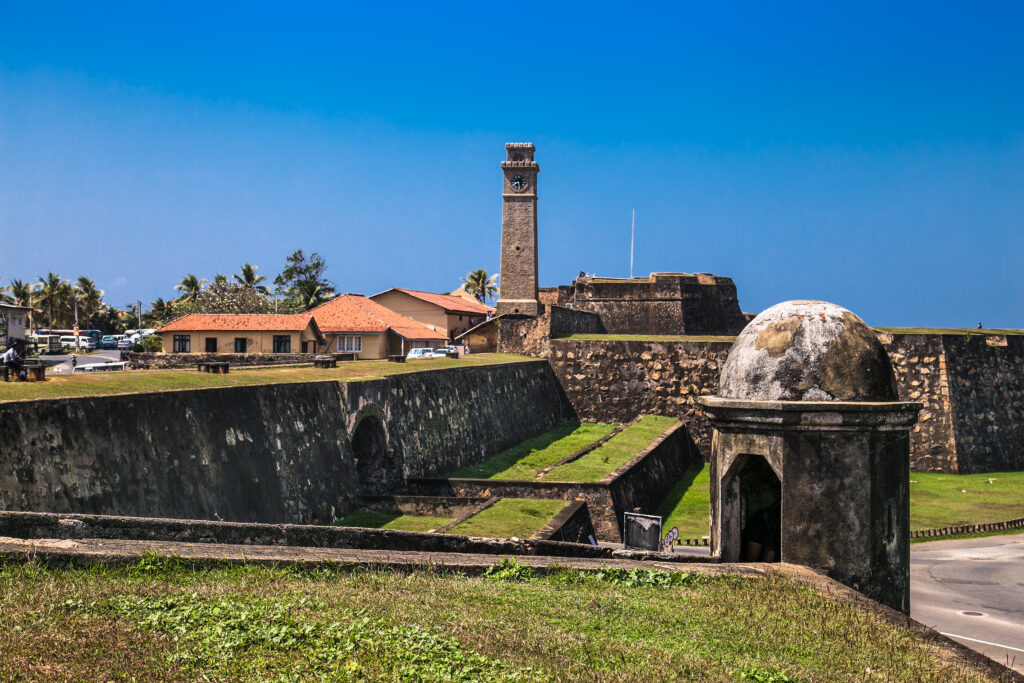
A 17th-century Dutch-built walled city of cobblestoned lanes, boutique hotels, art galleries, and restaurants that feel contemporary without losing any historical weight. Sri Lanka’s most photogenic town, particularly at sunset when the rampart walls glow amber above the Indian Ocean.

Mirissa

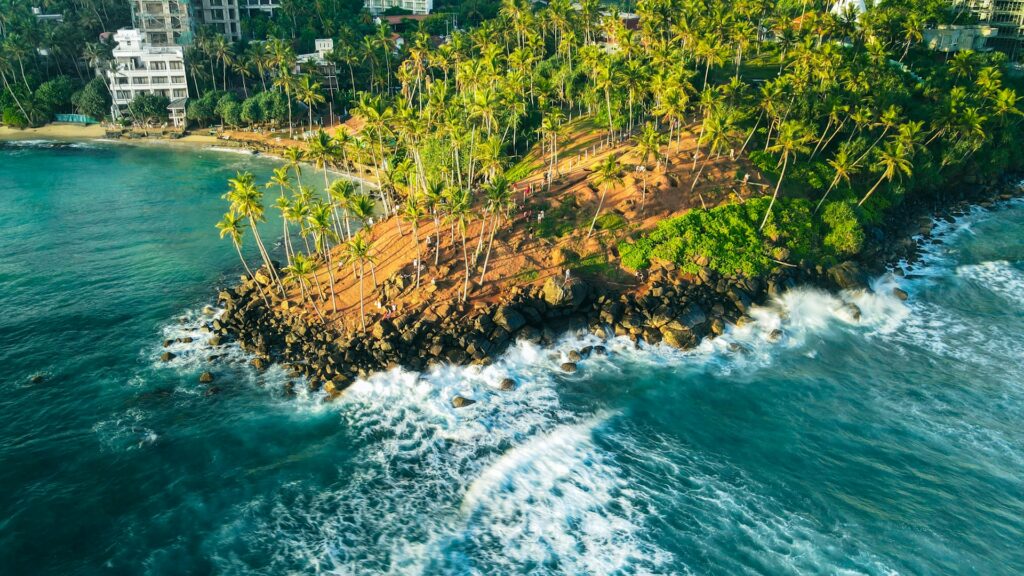
A curved bay with palm trees leaning over the water, surf gentle enough for beginners, and a blue whale season (November–April) that puts the world’s largest animals reliably within sight of small boats. Evenings here slow to a seafood-and-candlelight rhythm.

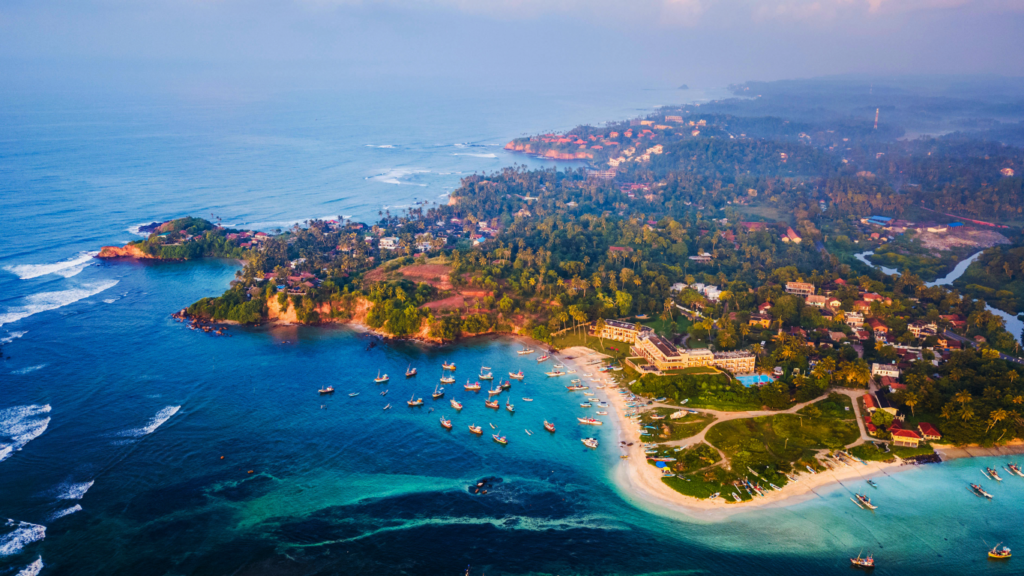
Weligama

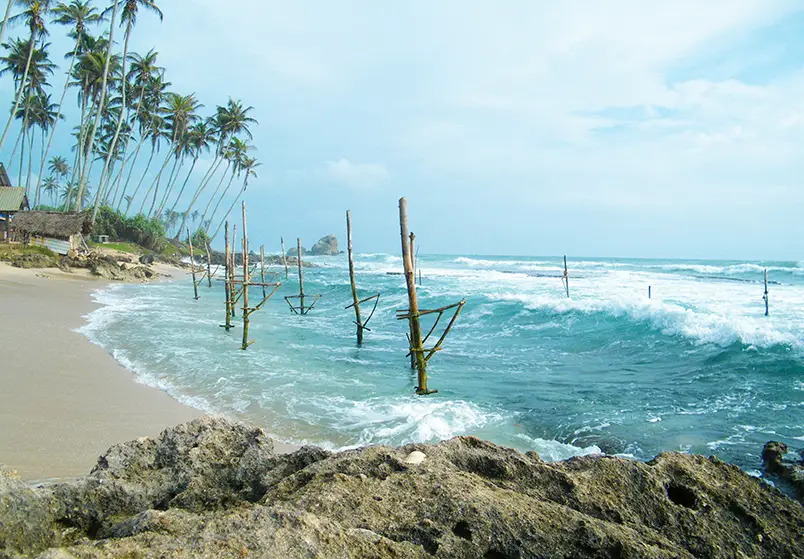
Famous for stilt fishermen perching on poles driven into the sea – one of Sri Lanka’s most iconic images – and for its wide, gentle bay that is the island’s best beginner surf beach. Easy-going cafés and surf schools line the shore.

Arugam Bay

Sri Lanka’s remote east coast gem delivers one of Asia’s finest right-hand point breaks alongside a laid-back surfer-village energy that resists commercialisation. Its remoteness – a long drive through the dry zone – is entirely part of the appeal.

Trincomalee

One of the world’s deepest natural harbours, flanked by ancient Hindu clifftop temples and coastline that alternates between powdery white coves and red rock bluffs. Pigeon Island’s coral reef offshore supports snorkelling among reef sharks in exceptional visibility.

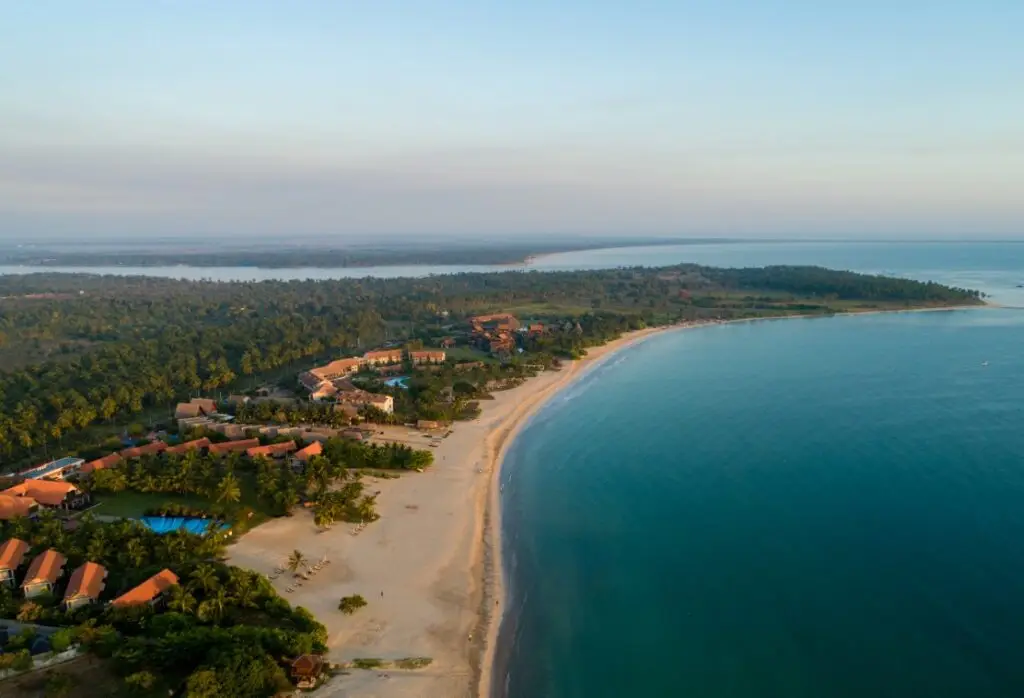
Pasikuda

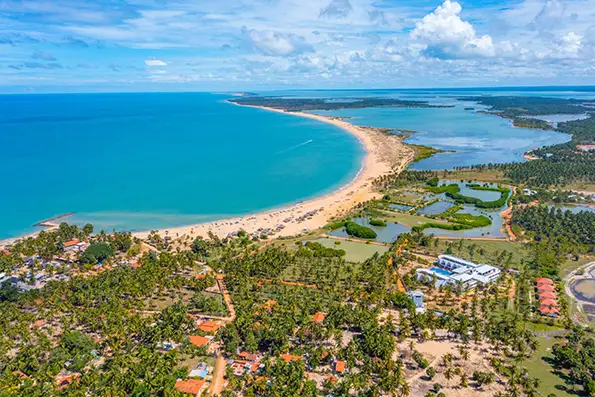
A reef-protected lagoon so shallow and calm it extends nearly a kilometre from shore at waist height – among Sri Lanka’s least crowded premium beach destinations, favoured for its extraordinary pale turquoise clarity. Extraordinary peace, minimal crowds.

Ella

A village in a mountain saddle where three valleys converge and the views drop 1,000 metres to the plains on a clear day. Excellent restaurants, boutique eco-lodges, the photogenic Nine Arches Bridge, and hikes ranging from 2-hour strolls to full-day ridge walks.

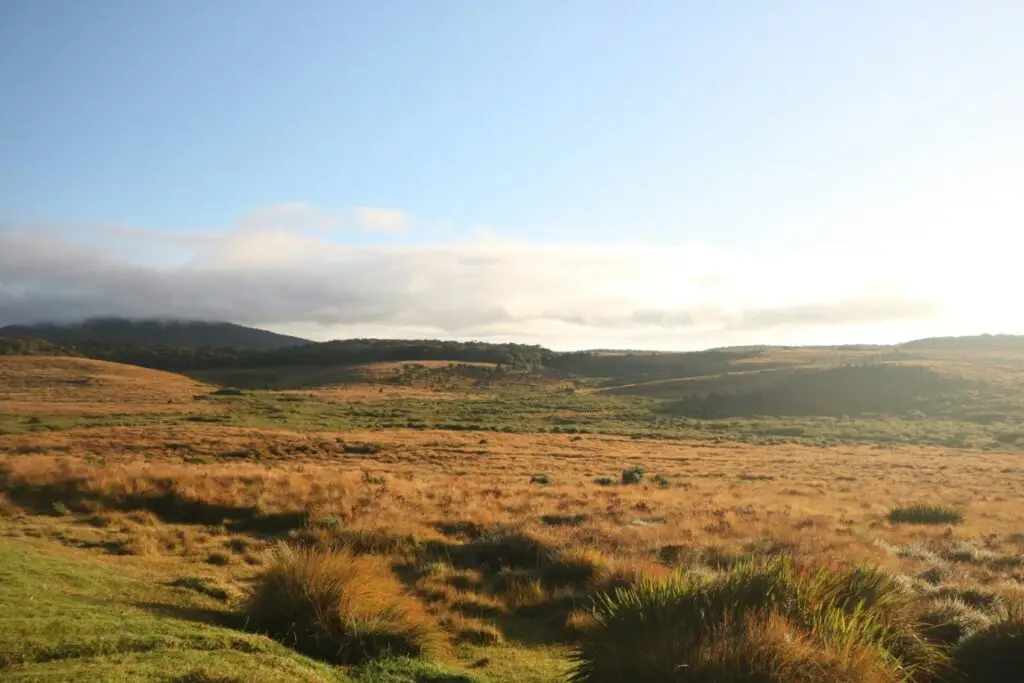
Horton Plains National Park

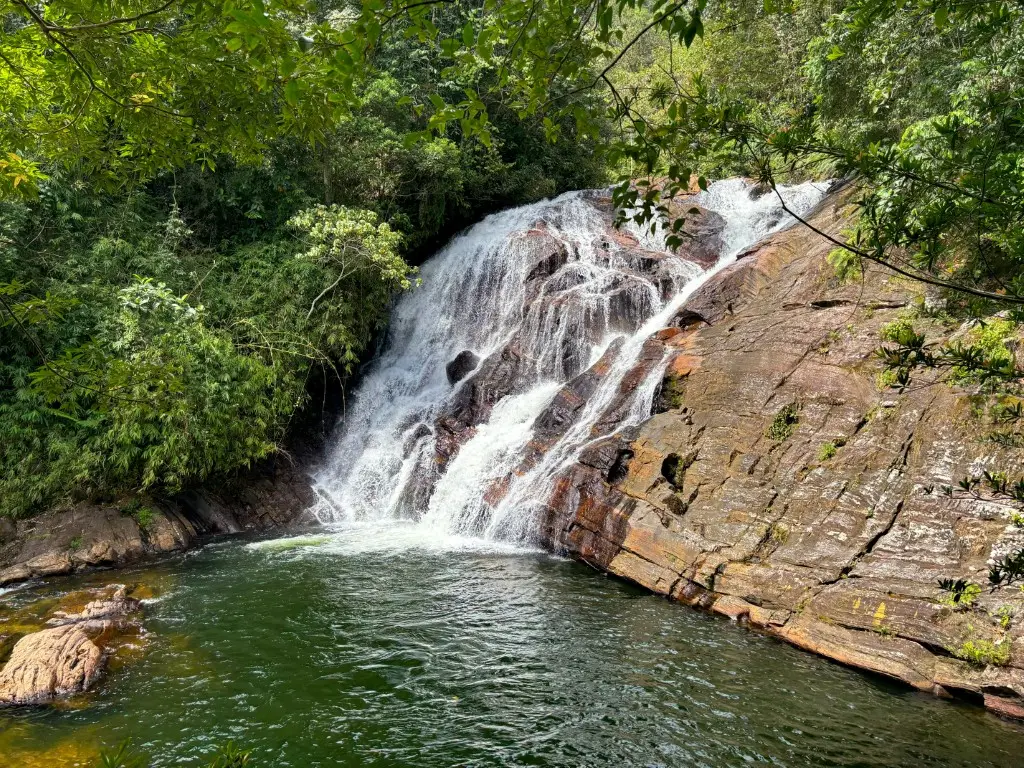
A 2,200-metre plateau where the trail to World’s End drops without warning to an 870-metre sheer cliff face above the entire southern lowlands. Arrive before 9am when mist burns off – the cloud forest birding and Baker’s Falls circuit take the full morning.

Knuckles Mountain Range

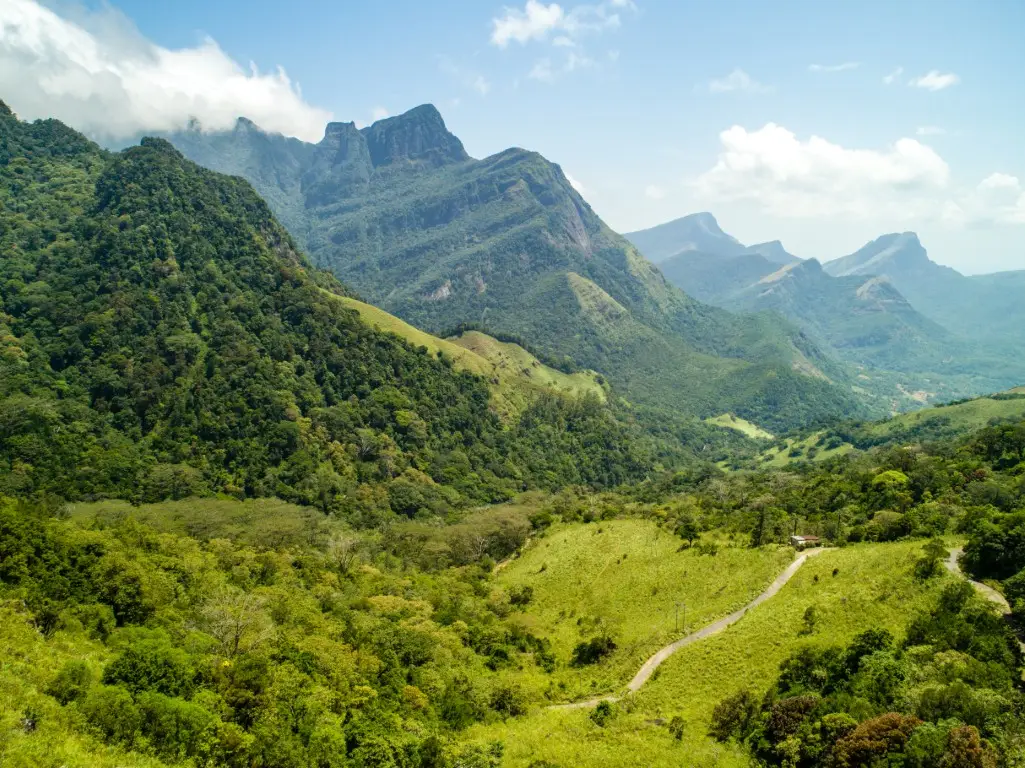
A UNESCO biosphere reserve of cloud forest, terraced paddy fields, traditional villages, and endemic species found nowhere else – named for the knuckle-shaped peaks visible from Kandy. Multi-day treks feel genuinely remote despite being hours from civilisation.

Nuwara Eliya

Sri Lanka’s highest city at 1,868 metres, still carrying its British colonial past through half-timbered post offices, rose gardens, and fog-bound golf courses alongside tea estates producing some of the world’s finest high-grown Ceylon tea.

Kithulgala

The Kelani River cuts through Kithulgala with enough force for Grade 2–4 white water rafting in a rainforest canyon where kingfishers flash overhead and the water runs jade green. The filming location of ‘Bridge on the River Kwai’ – still extraordinary wild forest.

Kalpitiya

A remote lagoon peninsula with Asia’s largest windsurfing destination and spinner dolphin pods of several hundred animals moving through the channels between December and April. Stark, beautiful, and like nowhere else on the island.

Udawalawe National Park

If Yala is about leopards, Udawalawe is about elephants – with open parkland terrain that makes close-range sightings easy and prolonged. The adjacent Elephant Transit Home offers scheduled feeding sessions with orphaned calves.

Ritigala Forest Monastery

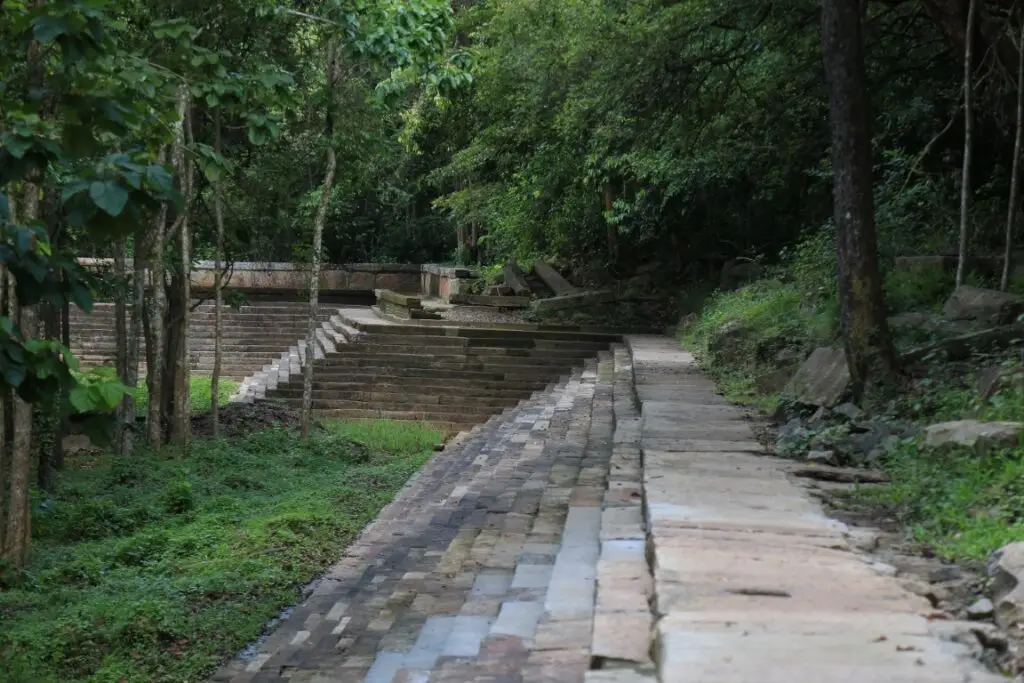
A strictly protected reserve containing ancient monastery ruins buried in medicinal plant forest – receiving fewer than 50 visitors a week, atmospheric at first light, and unlike any other heritage site on the island.

Madhu River & Mangrove Safari

A 15-kilometre river estuary of 23 islands, mangrove tunnels, civet colonies, water monitors, and a 1,500-year-old mid-river temple reached only by traditional dugout canoe. One of the west coast’s most meditative experiences.

Hiriketiya

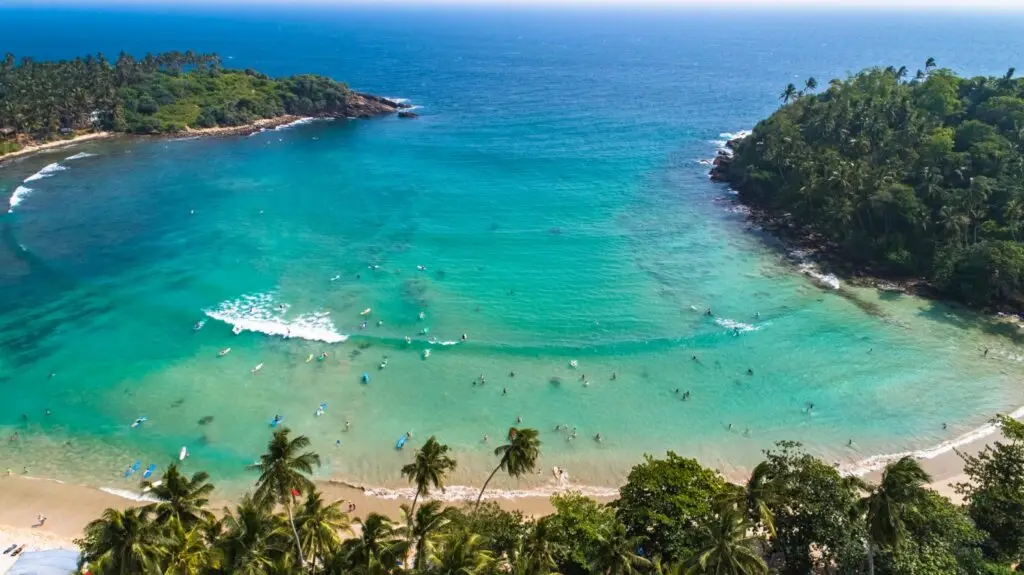
A deep-bowl cove below a jungle headland on the south coast – a legitimate surf break and a growing community of eco-conscious travellers, yoga spaces, and low-footprint stays. Protected status keeps it beautifully underdeveloped.

Yala National Park

The world’s highest density of wild leopards per square kilometre – every jeep safari feels charged with anticipation from the moment you enter the scrubland at dawn. Beyond leopards, sloth bears, crocodiles, elephants, and prolific coastal birdlife make every visit different.

Wilpattu National Park

Closed for 30 years during the conflict period, Wilpattu’s ecosystems are remarkably undisturbed – its wildlife encounters feel genuinely wild. Natural lakes called villus attract leopards, sloth bears, and tusker elephants to drink at predictable hours.

Minneriya National Park

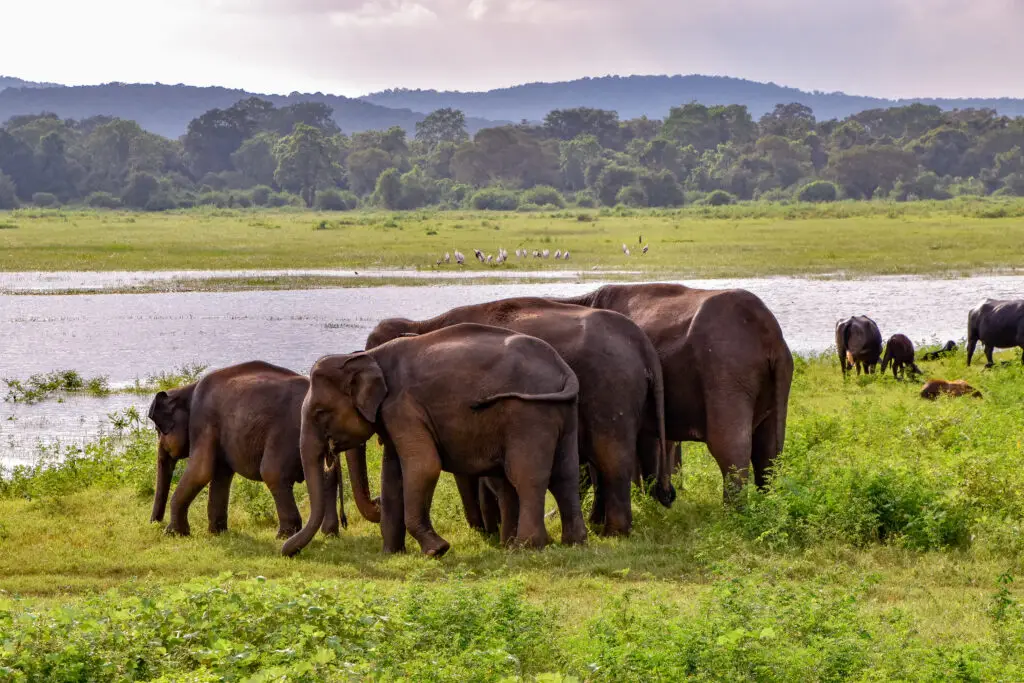
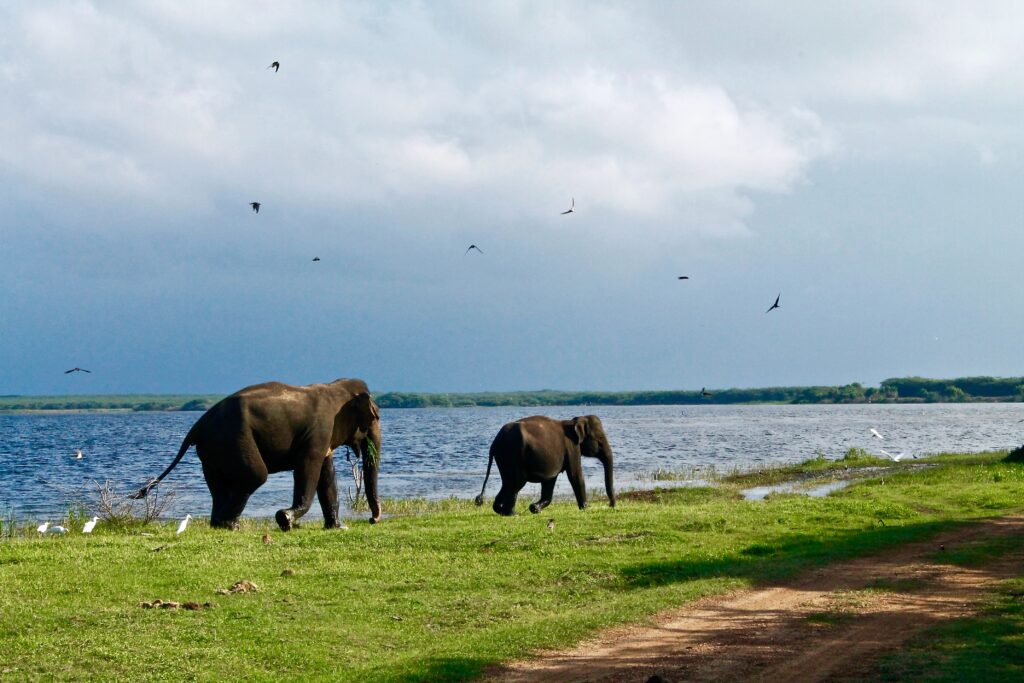
Between August and October, Minneriya hosts ‘The Gathering’ – one of the largest concentrations of wild Asian elephants on earth, with hundreds of animals converging on the receding reservoir to graze. One of Asia’s great wildlife spectacles, rivalling Africa’s migration events in scale.

Wasgamuwa National Park

One of Sri Lanka’s quietest parks – a riverine forest along the Mahaweli River that wildlife photographers and serious naturalists prize for its undisturbed habitats and endemic species. Less-visited, more rewarding for those who prefer solitude over busy game drives.

Sinharaja Rainforest

Sri Lanka’s last intact primary rainforest – a UNESCO site where 90% of endemic tree species and the island’s rarest birds, including the blue magpie, live in a perpetually glistening multi-canopy jungle. Receives over 5,000mm of rain per year and feels alive with it.